As parents, we all want to see our children’s smiles gleaming with health and happiness. Establishing a daily brushing routine for kids is more than just a hygiene habit; it’s a cornerstone for their overall well-being. In this blog post, we’ll delve into the vital importance of instilling a daily brushing routine in your children and the long-lasting impact it can have on their oral health. Preventing Tooth Decay: A Foundation for Lifelong Health Cavity Prevention: Regular brushing removes plaque, the sticky film of bacteria that forms on teeth. This helps prevent cavities, the most common chronic childhood disease. Early Intervention: Developing a brushing routine from a young age instills preventive habits that can last a lifetime. Establishing Healthy Habits: The Power of Routine Consistency is Key: A daily brushing routine establishes a healthy habit that becomes second nature to children. Consistent habits in childhood often carry into adulthood. Setting the Example: Parents play a crucial role in modeling proper oral care habits. Brushing together fosters a positive environment and reinforces the importance of the routine. Gum Health: Beyond Just Teeth Preventing Gum Disease: Regular brushing is essential for maintaining healthy gums. Gingivitis and other gum diseases can be prevented with proper oral care. Teaching Proper Technique: Guiding kids to brush with gentle , circular motions ensures effective cleaning without causing damage to sensitive gums. Fresh Breath and Confidence: Social Benefits of Oral Health Social Impact: Good oral hygiene contributes to fresh breath and a clean, confident smile. This positively impacts social interactions and self-esteem. Building Confidence: Children who take pride in their oral health are more likely to carry that confidence into other aspects of their lives. Reducing the Need for Dental Procedures: Long-term Cost Savings Preventive Care: Regular brushing minimizes the risk of dental issues, reducing the need for costly treatments and interventions. Early Detection: Consistent oral care allows for early detection of any potential issues, preventing them from progressing into more severe conditions. Customizing the Experience: Making Brushing Fun Colorful Toothbrushes and Toothpaste: Let your child choose a toothbrush and toothpaste with their favorite colors or characters to make the experience enjoyable. Set a Timer or Play Music: Use a timer or play their favorite song to ensure they brush for the recommended two minutes. Regular Dental Check-ups: Enhancing the Brushing Routine Professional Guidance: While daily brushing is crucial, regular dental check-ups are equally important. These visits provide professional guidance, preventive care, and early intervention when necessary. A daily brushing routine for kids is not just about maintaining a bright smile; it’s a gift of lifelong health and well-being. By instilling this habit early on, you empower your children to take charge of their oral health and lay the foundation for a future of confident smiles and healthy teeth. So, grab those toothbrushes, make brushing a daily adventure, and watch your child’s smile light up with every gleaming tooth.
Sore gums can be a bothersome and uncomfortable experience, impacting our daily lives and oral health. While occasional gum soreness is common, persistent discomfort may signal an underlying issue. In this blog post, we’ll explore the reasons why gums might become sore and offer practical tips for finding relief. Poor Oral Hygiene: The Foundation of Gum Health Inadequate Brushing and Flossing: Insufficient oral hygiene practices can lead to the accumulation of plaque and bacteria along the gumline, causing inflammation and soreness. Brushing Technique: Using a toothbrush with hard bristles or brushing too vigorously can also contribute to gum irritation. Gingivitis: The Early Stage of Gum Disease Redness and Swelling: Gingivitis is characterized by red, swollen gums and bleeding during brushing. It is often a result of untreated plaque buildup. Importance of Professional Cleaning: Regular dental cleanings are crucial to prevent and treat gingivitis. Hormonal Changes: Affecting Gums at Different Life Stages Puberty, Pregnancy, and Menopause: Hormonal fluctuations during these periods can lead to increased sensitivity and inflammation of the gums. Maintaining Good Oral Hygiene : Consistent oral care is vital during hormonal changes to minimize the impact on gum health. Medical Conditions: Systemic Influences on Gum Health Diabetes: Uncontrolled diabetes can affect the gums and increase the risk of gum disease. Managing blood sugar levels is essential for oral health. Autoimmune Diseases: Conditions like lupus or rheumatoid arthritis may contribute to gum inflammation. Collaboration between a dentist and other healthcare providers is crucial for comprehensive care. Orthodontic Appliances: Adjusting to Braces or Aligners Initial Discomfort : Braces and aligners can cause temporary soreness as the mouth adjusts to the new appliances. Proper Cleaning Techniques: Maintaining meticulous oral hygiene is crucial to prevent additional irritation around orthodontic devices. Dental Procedures: Temporary Discomfort After Treatment Scaling and Root Planing: Deep cleaning procedures may cause temporary soreness as the gums heal. Proper Aftercare: Following post-procedural instructions from your dentist can help minimize discomfort. While occasional gum soreness is common, persistent or severe discomfort should prompt a visit to your dentist. Understanding the reasons behind sore gums empowers you to take proactive steps toward maintaining optimal oral health. Remember, regular dental check-ups, proper oral hygiene, and a healthy lifestyle are key components in ensuring your gums stay healthy and pain-free. If you’re experiencing prolonged gum soreness, consult with your dentist to identify the cause and appropriate treatment for your specific situation.
Dreams have long fascinated and puzzled human beings. They can take us on exhilarating adventures or plunge us into the depths of our subconscious fears. One common dream that leaves many people feeling perplexed and even anxious is the experience of teeth falling off. Whether you reside in the vibrant community of Prosper, Texas or anywhere else, this dream can be distressing and warrant further exploration. Join us as we dive into the intriguing world of dreams about teeth falling off, seeking to shed some light on their meanings and potential connections to your dental health. The Common Dream: Teeth Falling Off Many individuals have experienced the unsettling dream of losing their teeth. The imagery of teeth falling out, breaking, or crumbling can be vivid and distressing. Upon waking, you may be relieved to discover that your teeth are still intact. However, the lingering unease may prompt you to wonder about the significance of such a dream. Possible Interpretations Fear of Loss or Change: Dreams about teeth falling off could reflect a fear of loss or impending changes in your life. Teeth are essential for basic functions like eating and speaking, so their loss may symbolize the fear of losing control or an inability to handle changes. Anxiety and Stress: Stress and anxiety can manifest in dreams. Teeth falling off may be an unconscious manifestation of stressors in your daily life, such as work pressures, relationship issues, or health concerns. Self-Image and Confidence: Teeth play a crucial role in our appearance, and dreams about them falling off might indicate insecurities about your self-image or confidence levels. Such dreams could signify concerns about how others perceive you. Communication Issues: As teeth are vital for communication, their loss in dreams may relate to difficulties expressing yourself or challenges in conveying your thoughts and feelings effectively. Health and Dental Concerns: In some instances, dreams about teeth falling off may have a direct connection to dental issues. If you’ve been neglecting your oral health or have concerns about your teeth, your subconscious might be urging you to take better care of them. Seeking the Expertise of Your Local Dental Office in Prosper, Texas: Dreamworks Dental & Orthodontics If you reside in Prosper, Texas, and find yourself plagued by dreams of teeth falling off, it might be a sign to schedule a visit to your trusted local dental office . While dreams are often symbolic, they can also serve as a reminder to pay attention to our physical health, including our oral well-being. A reputable dental office in Prosper, Texas such as Dreamworks Dental & Orthodontics can provide you with a thorough dental check-up, addressing any potential issues and offering guidance on maintaining optimal dental hygiene. Regular dental visits not only ensure your teeth remain healthy but can also alleviate any anxieties you may have about dental problems. Conclusion The world of dreams is a fascinating realm that continues to baffle experts and individuals alike. The dream of teeth falling off is just one of the many mysterious experiences that can leave us wondering about its meaning. While there may be various interpretations for this dream, it’s crucial to pay attention to any potential underlying dental concerns it might be hinting at. If you find yourself grappling with dreams of teeth falling off and residing in Prosper, Texas, consider reaching out to Dreamworks Dental & Orthodontics for professional advice. In the end, understanding your dreams and taking proactive steps toward your dental health can lead to a happier, healthier life – both awake and asleep. Remember, dreams are a window to our subconscious, and listening to their messages can help us navigate the waking world with greater clarity and purpose. Sweet dreams!
Oral health is vital and can impact your overall health. A healthy oral environment includes good dental hygiene, brushing, and flossing teeth twice daily for two minutes each time. You can also replace your toothbrush every three months and visit your dentist every six months. To maintain healthy teeth and gums, you must follow a healthy diet and use dental hygiene products. Make sure to brush and floss regularly, eat healthy foods, and use dental hygiene products to prevent tooth decay and gum disease. BRUSH YOUR TEETH TWICE A DAY FOR TWO MINUTES EACH TIME. Oral health is essential for overall health. Brushing your teeth twice daily for two minutes each time for the best oral health results is vital. Not only will this help to remove plaque and bacteria, but it will also help to keep your gums healthy and free of tooth decay. To make brushing your teeth even more pleasant, keep a bottle of water nearby when brushing. This way, you can rinse away any leftover toothpaste suds and save yourself time in the long run. Finally, never forget to spit out the toothpaste after brushing – it’s easier on your teeth and will help to keep your oral health healthy in the long run. FLOSS DAILY. Oral health is essential for healthy teeth and gums. A healthy oral hygiene routine starts with flossing every day. Then, use a pea-sized amount of fluoride toothpaste twice daily, and brush your teeth with a fluoride toothbrush. Make sure to drink plenty of water and eat healthy foods rich in oral health-promoting nutrients. Regular dental checkups are crucial to detecting and preventing dental problems early . Please don’t wait until it’s too late and your teeth and gums are in trouble! REPLACE YOUR TOOTHBRUSH AT THE SIGNS OF WEAR Maintaining healthy teeth and gums is essential for your oral health. One of the best ways to do this is by regularly brushing and flossing. Make sure to scrub around the gum line where plaque can build up, and rinse your toothbrush off after each use with warm water and mild dishwashing soap. Replace your toothbrush at the first sign of wear or damage – this will help to prevent plaque and tooth decay from setting in. Finally, make sure to floss once daily – it’s one of the most effective ways to keep your teeth and gums healthy and clean! VISIT YOUR DENTIST EVERY SIX MONTHS. Oral health is essential for overall health. So make sure you visit your dentist regularly to keep your teeth and gums healthy. Regular dental care can prevent tooth decay, gum disease, and other oral health problems. Keep track of your dental visits, so you’re always aware of any changes. And if you have any tooth or gum problems, don’t hesitate to bring them to your dentist’s attention. MAINTAIN A HEALTHY DIET Maintaining good oral health is essential for healthy teeth and gums. To stay on track, visit the dentist regularly for checkups and cleanings. Avoid sugary, processed, and alcohol, and eat plenty of fruits, vegetables, and whole grains. In addition, make sure to brush your teeth twice a day and floss once a day to keep your teeth and gums healthy! USE DENTAL HYGIENE PRODUCTS. Oral health is essential for good teeth and gums. Make sure to brush your teeth and use dental hygiene products every day. Additionally, get regular checkups with your dentist – they can help identify problems early and recommend the best dental care. For oral health maintenance, make sure to use fluoride toothpaste and sealants or varnishes on areas that are prone to decay. Be sure to visit your dentist for a fluoride toothpaste rinse every six months, which is a great way to prevent cavities and gum disease. KEEP HYDRATED THROUGHOUT THE DAY. Teeth and gums are essential for oral health, and oral hygiene is vital to good dental care . Keeping teeth and gums healthy starts with drinking plenty of water throughout the day. Avoid sugary drinks, juice, iced tea, etc., and drink water, unsweetened teas, or plain black coffee instead. Secondly, add a healthy sweetener to your diet like honey if you need to calorie-count while on the go but still want to enjoy your beverages sans sugar rush! Thirdly, brush your teeth twice daily with fluoride toothpaste and floss after every meal or at least once daily. Lastly, see your dentist regularly for oral health checkups and dental care. DON’T SMOKE. Teeth and gums are essential, and it’s no secret that smoking can damage them over time. Not only does it cause tooth decay and gum disease, but it also causes oral cancer. If you still can’t kick the habit, several healthy substitutes are available to help smokers quit smoking successfully. For example, you can try vaping or using e-cigarettes instead of smoking traditional cigarettes. Not only are these healthy substitutes, but they also don’t involve smoke. So, if you want to quit smoking and protect your teeth and gums, make quitting smoking your top priority. CONSIDER DENTAL SEALANTS. There’s no need to live in tooth and gum terror. Dental sealants protect your teeth and gums from decay, making oral care much more accessible. First, ask your dentist about specialty sealants that may be better suited for your individual needs. Then, a dentist or dental technician can apply them, lasting up to two years. So, what are you waiting for? Start considering dental sealants as a healthy teeth and gum care option! REGULARLY EXAMINE THE INSIDE OF YOUR MOUTH AT HOME. Dentistry is constantly evolving and improving, which is why it’s so important to visit the dentist regularly. One of the best ways to check your teeth and gums is to prevent them at home. It’s easy – pick up any changes, such as plaque or tartar buildup, and take action immediately. Remember to brush twice daily – morning and night – with fluoride toothpaste for ideal dental hygiene. Checking your teeth and gums in a mirror or with bright light can also help you see the inside of your mouth. By doing this regularly, you can keep your teeth and gums healthy and clean and enjoy dental care at your convenience. Frequently Asked Questions How can I improve my oral health by using natural remedies? Some of the best natural oral health remedies include 1. Apple cider vinegar: Apple cider vinegar is a popular teeth & gum remedy because it helps fight off bacteria and reduce inflammation. It also has fluoride levels that are high enough to help remove plaque and tooth decay. 2. Honey: Honey is another natural teeth & gum remedy known to fight off bacteria and reduce inflammation. Furthermore, it has anti-caries properties, which can help protect tooth enamel from decay. 3. Xylitol is a natural sugar substitute often used as a teeth & gum remedy because it helps prevent tooth decay and gum disease. It also reduces bad breath and can be beneficial in preventing heart disease, obesity, and dental cavities. 4. Chamomile tea: Chamomile tea is a soothing treatment for oral health problems like dry mouth, toothache, and dental problems in general. It helps to relieve toothache and oral pain while boosting teeth nutrition and health. 5. Licorice root: Licorice root is an effective teeth & gum remedy because it has anti-inflammatory properties and helps to fight tooth decay and gum disease. Additionally, licorice root Can fluoride be harmful if taken in large doses? Fluoride is a mineral mined from the earth and has been used as a water additive for decades. Fluoride works by inhibiting the growth of bacteria and fungi in your mouth, which helps prevent tooth decay and gum disease. It can be harmful if taken in large doses, but fluoride supplementation is safe to take regularly. Most people who take fluoride supplements do not experience any health problems. However, speaking with a health professional before starting a fluoride supplementation regimen is always recommended. What are some of the most common causes of gingivitis, and how can I treat it? The most common causes of gingivitis are poor oral hygiene habits. People tend to neglect their teeth and gums, leading to gum disease. Gingivitis is a form of gum disease which causes inflammation and redness in the gums. You may need to visit a dentist for professional treatment if your case is severe. However, there are many solutions that you can apply at home to help treat gingivitis. These include fluoride toothpaste, mouthwash, or floss. Also, remember that excessive tooth decay (cavities) can lead to gingivitis. So, make sure to visit your dentist regularly and keep up good oral hygiene habits to avoid any gingivitis-related health problems in the long run. Is there anything I should avoid regarding my dental hygiene routine? When it comes to dental hygiene, the most important thing you can do is brush your teeth and gums properly. Not brushing can lead to tooth decay and gum disease, which can be both unsightly and uncomfortable. To make brushing more accessible, try using a fluoride rinse or flossing strips once a day. And remember to schedule regular checkups with your dentist to ensure your teeth and gums are healthy. Conclusion Most people know brushing their teeth twice daily is essential to good oral hygiene, but what about flossing and replacing toothbrushes regularly? Here are some other healthy dental tips you may not know: flossing daily, visiting your dentist every six months, and using dental hygiene products. Make sure to practice these healthy dental habits to keep your teeth and gums healthy and happy!
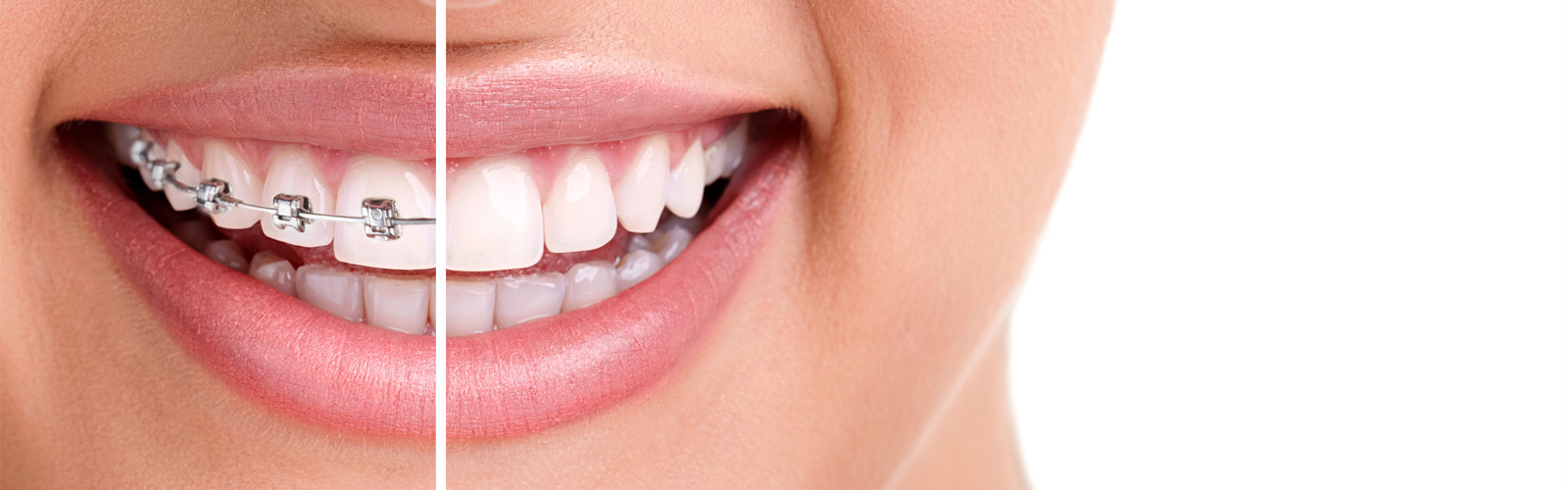
People who use braces are more likely to experience gingival inflammation, generally known as swollen gums than those who do not wear them. Because braces can make it more difficult to adequately clean the teeth and gums, which can lead to a buildup of plaque and germs, this is one of the reasons why this is the case. Swollen gums are a symptom of periodontal disease, which can develop into a more serious issue if they are not treated. However, it is feasible to decrease inflammation of the gums and possibly prevent it altogether with the appropriate care and treatment when one is wearing braces. You can always book an appointment with the Dreamworks dental and orthodontics’ dentist, Prosper Tx to get the best dental treatment. Natural Remedies: Here are a few home remedies that can help alleviate the soreness in your gums: At-home treatment for swollen gums can be as simple as washing the mouth with warm salt water several times per day. Taking a pain reliever and anti-inflammatory drug that is available without a prescription can also be beneficial in this situation. When your gums are sensitive, you should avoid consuming items that are difficult to chew. The use of dental floss to clean the spaces between your teeth is essential for reducing gum inflammation. You also have the option of using waxed floss; nevertheless, using unwaxed floss is the better choice. Treatment Of Inflamed Gums With Braces: Maintaining good oral hygiene is the first thing that needs to be done in order to alleviate swollen gums caused by braces. This involves: Brushing your teeth with toothpaste rich in fluoride at least twice a day. Flossing once a day, and cleaning in between the teeth and around the braces with an interdental brush or another form of cleaning aid. It is essential to use an antimicrobial mouthwash twice daily to assist in the elimination of bacteria and the prevention of plaque accumulation. In addition to maintaining good oral hygiene, it is essential to schedule regular dental examinations and cleanings. During these visits, your dentist, Prosper Tx , or orthodontist can examine your gums for symptoms of inflammation or other issues and administer any necessary therapy. In addition, they may recommend that you use additional oral hygiene items, such as orthodontic wax or a lip guard, to protect your gums while wearing braces. Another crucial component of treating sore gums with braces is being attentive to the foods you consume. Hard, sticky, or sweet foods can get stuck in braces, making it difficult to thoroughly clean the teeth and gums. To prevent this, it is better to avoid certain foods and choose instead soft, easy-to-chew foods that do not get caught in braces. Special Toothpaste And Mouthwash For Gums With Braces: In rare instances, your dentist or orthodontist may further recommend a toothpaste or mouthwash created exclusively for people with braces. These solutions are designed to minimize plaque and bacteria, and they may also contain substances that soothe and reduce gum irritation. If you have braces, your dentist or orthodontist may also recommend using a specialized mouthwash that has been developed with those who have braces in mind. These treatments are developed to help reduce plaque and bacteria, and they may also contain chemicals that can help soothe and reduce irritation of the gums. These products are formulated to help lower the risk of cavities. Deep Cleaning Procedure: If you have severe or persistent inflammation of the gums while wearing braces, your dentist Prosper, Tx , or orthodontist may recommend a more in-depth cleaning procedure, such as scaling and root planing. This is done to remove plaque and tartar from the root surfaces of the teeth. This process is quite similar to a conventional cleaning; however, it is more in-depth and is used to remove plaque and bacteria from below the gumline. What Kind of Effect Does A Buildup Tartar Have on Your General Health? According to a number of studies, the bacteria that cause gum disease are linked to a variety of health issues, such as coronary heart disease, diabetes, stroke, respiratory diseases, dementia, rheumatoid arthritis, and premature birth, to name just a few. So, what exactly is the basis of that connection? Even while experts in the field of science are unable to state for certain, a common theory holds that the bacteria found in tartar and plaque can make their way into the circulation, where they can then harm vital organs and make these health concerns worse. Other Immediate Remedies: In addition to these therapies, there are also certain things you may do to alleviate the pain and swelling in your gums while you are at home. These are the following: 1.) Using Saltwater: Using a saltwater rinse can help reduce inflammation and soreness in the mouth. To make this rinse, simply combine one teaspoon of salt with one cup of warm water, and then use the liquid as a mouthwash. 2.) Pain Relief Medication: Applying a pain medication such as ibuprofen or acetaminophen that is available without a prescription can be helpful in reducing discomfort and swelling in the gums. 3.) Ice Pack: By applying an ice pack to the outside of the cheeks, one can alleviate some of the discomfort and swelling associated with a cheek injury. Along with that avoiding foods that are crunchy, chewy, and hard to swallow can also help. Conclusion: It is essential to keep in mind that treating swollen gums with braces calls for a mix of good oral hygiene and routine dental examinations. A mindful diet, and follow-up treatment, as well as some patience on the patient’s part, can also help. However, it is feasible to decrease inflammation of the gums and maintain healthy teeth and gums while wearing braces if the proper strategy is taken. If the inflammation of your gums remains severe or continues for an extended period of time, you should consult your dentist, Prosper Tx , or orthodontist as soon as possible so that you can obtain additional treatment. Swollen gums when wearing braces are a frequent condition, but they can be prevented and treated with good oral hygiene, regular dental examinations and cleanings, attentive eating, and at-home treatment such as saltwater rinses.
Many of us have experienced bleeding gums while cleaning our teeth. It’s likely that if you brush or floss your teeth and your gums bleed, you’ll shrug it off or assume that this is something that should be expected. However, Prosper dentist at Dreamworks dental care believes that gum bleeding is a sign that there is a more serious issue going on. Bleeding gums can be caused by a number of different things such as: Overly vigorous brushing of your teeth. Injuries. Pregnancy. Oral inflammation. Inflammation of the gums can be a symptom of periodontal diseases, such as gingivitis or periodontitis, and can cause the gums to become red, swollen, and sensitive. Such a disease can result from poor plaque clearance. It is essential to contact your Prosper dentist to determine the source of bleeding gums in order to select the treatment that will be most effective. Once you’ve determined what’s causing the bleeding, you can pick one of these potential treatments to stop it. 1.) Ensure you have proper dental hygiene. Gums that bleed easily could be an indication of inadequate dental hygiene. When there is an accumulation of plaque along the gum line, the gums get irritated, and they may even bleed. Plaque is a film that coats your teeth and gums and is made up of a sticky substance that contains bacteria. And the germs can spread, leading to tooth decay or gum disease, if you don’t clean your teeth or floss your teeth enough. Brush your teeth at least twice a day and use dental floss at least once a day to improve your oral hygiene. Here are some additional suggestions for maintaining the health of your teeth. Pregnant women must maintain a healthy level of dental hygiene. Alterations in hormone levels that occur during pregnancy can also bring on gum disease and cause it to bleed. 2.) Use Hydrogen Peroxide To Gargle And Rinse Your Mouth: As a potential disinfectant, you might want to keep some hydrogen peroxide on hand. It was discovered that it can also eliminate plaque, make gums healthier, and halt bleeding from gums. Rinse your mouth with hydrogen peroxide after you brush your teeth if you notice that your gums are bleeding, but make sure not to ingest the solution. Inflammation of the gums is known as gingivitis, and this condition can lead to bleeding, swelling, and the gums pulling away from the teeth. The Prosper dentist state that the use of hydrogen peroxide in treating gingivitis and brightening teeth is good and effective. Gargle with hydrogen peroxide to have less irritation in your gums. 3.) Raise The Amount Of Vitamin C In Your Diet: Consuming foods that are high in vitamin C can help improve your immune system and assist in the fight against gum infections, both of which can lead to bleeding gums. Conversely, not receiving enough vitamin C in your diet may increase bleeding if you have gum disease. Even if you take care of your teeth and gums properly, a lack of vitamin C might still cause your gums to bleed even if you do so. You might also discuss taking a vitamin C supplement with your primary care provider. Because vitamin C is such a potent antioxidant that it helps strengthen connective tissue and preserves the lining of your gums, you will want to make sure that you obtain an adequate amount of it on a daily basis. 4.) A Cold Compress Should Be Applied: Gum disease is not the only possible explanation for bleeding gums. Trauma to the gum tissue or an injury to the gums themselves can also cause bleeding in the gums. You should always consult your Prosper dentist to make the bleeding gums better but still, in the meantime, a cold press can also be effective. When placed on the gum line, a cold compress can minimize swelling, which in turn helps stop bleeding by restricting blood flow. Your gums should be treated with an ice pack or a cold towel several times a day for a period of 20 minutes on and 20 minutes off. 5.) Discontinue Smoking For A Better Relief: Smoking is associated with periodontal disease, in addition to the increased risk that it poses for lung cancer, cardiovascular disease, and stroke. According to the Centers for Disease Control and Prevention, a reliable source, smoking is one of the most significant factors contributing to serious gum disease in the United States. When a person smokes, their immune system can weaken, making it more difficult for their body to fight off bacteria that cause plaque. This can lead to problems with the gums. If you want your gums to heal and stop bleeding, you should give up smoking. Talk to your primary care physician about the best way to get you off of cigarettes. 6.) Reduce Your Level Of Stress: The Prosper dentist at Dreamworks dental care says that there is a connection between periodontal disease and the stress of everyday life. Our immune systems can be negatively affected when we are under emotional stress. It’s possible that this will cause the body’s defenses to become so compromised that they won’t be able to fight off an infection in the gums. It is believed that people under emotional stress may also neglect their dental health, which can add to the building of plaque on their teeth and bleeding gums. 7.) Mouthwash Containing Salt Water Should Be Used: Gum disease is caused by bacteria and inflammation in the mouth, washing your mouth on a daily basis with a solution made of warm salt water may not only halt gum bleeding but also reduce the number of bacteria in your mouth. Rinse your mouth with a solution consisting of a half teaspoon of salt dissolved in a glass of warm water for a few seconds three to four times a day. Rinsing your mouth with a solution made of salt and water not only keeps your mouth clean but also removes bacteria that could cause an infection in a wound if the bleeding was caused by an injury or trauma. Conclusion: By following the above mentioned methods you can help reduce gum inflammation and bleeding. If your gum bleeding does not improve you should make an appointment with a Prosper dentist . It’s possible that you need a more in-depth dental cleaning to get rid of plaque and tartar and help your gums heal. Additionally, a dentist may check for any vitamin deficiencies that may be contributing to the bleeding gums you are experiencing.
Are you considering dental veneers but don’t know what to expect? Then this blog is for you! This article will outline the different types of dental veneers, explain what to expect during the preparation process, and provide helpful tips on making the most of your dental veneer appointment. So don’t wait any longer – schedule an appointment today and learn everything you need about dental veneers! Dental veneers – what to expect If you’re considering getting dental veneers, you must be prepared for the entire process. Make sure to book an appointment early to avoid long wait times. During the meeting, you’ll have a consultation and an impression taken. After that, you’ll need to wait four to six weeks before the veneers are ready for placement. If everything goes according to plan, your new smile should be perfect! However, if you experience unexpected side effects during the procedure, don’t hesitate to contact your dentist. In the meantime, take care of your teeth by brushing and flossing regularly. What are the different types of veneers? When considering dental veneers, it’s essential to understand the different types of surfaces and their respective benefits and drawbacks. There are several options to choose from, including aligner veneers, porcelain crowns, and dental implants. Each has its own pros and cons, so it’s important to talk to a doctor or dentist about the best option for you. Dental veneers allow you to enjoy a beautiful, natural-looking smile without needing tooth extraction surgery. So what are you waiting for? Start planning your dental veneer treatment today! Preparation for dental veneers Dental veneers are a popular cosmetic dentistry procedure that can give you a stunning new smile. However, before getting them done, it’s essential to understand the benefits, the risks, and the costs. You’ll also need to be prepared to answer questions about your health and teeth history. Make sure to schedule an appointment with a dentist who is experienced in veneer dentistry and can help you understand the procedure in more detail. The cost of dental veneers can vary depending on the type and quality of the final product, so it’s essential to do your research before making a decision. So far, dental veneers have proven to be a very successful treatment option for cosmetic dentistry. So, if you’re considering getting dental veneers done, don’t wait any longer – get started today and see the fantastic results! Benefits of dental veneers Dental veneers are a fantastic way to improve the appearance of your teeth. They come in various colors and styles, so there’s something for everyone to choose from. In addition, they can be used to cover any tooth that needs repair or reconstruction, and they’re removable, so you can easily keep your smile looking great! So, if you’re on the fence about dental veneers, take the plunge and see the fantastic benefits for yourself. You won’t regret it! Costs of dental veneers Dental veneers are a popular treatment option that can improve a person’s smile. They’re relatively affordable, and the cost of procedures varies depending on the job’s complexity. If you want dental veneers, speak with your dentist about what’s best for you. Many options are available so that you can find the perfect veneer for your specific needs. Keep in mind that it can take up to six months after surgery to see the final results – so be patient! Remember to speak with your dentist about your options to make the best decision for your smile. Final thoughts Dental veneers are an excellent option for people who want to improve their smile but don’t have the money or time to get dental surgery done. They come in various colors, shapes, and sizes to find the perfect one for you. They’re also removable, so if you decide later that you no longer want them, they’re easy to remove. Dental veneers are the perfect choice if you’re ready to make a change and improve the appearance of your teeth! SCHEDULE AN APPOINTMENT TODAY There’s no doubt that dental veneers are a popular treatment for teeth that need restoration or repair. They can be done in just one day, and the cost is relatively affordable. However, remember that dental veneers are not reversible, so ensure you’re happy with the result before you undergo surgery. If you’re undecided about veneers, make an appointment today and explore your options. Then, you can be sure that you and your dentist will find the proper treatment for you. Frequently Asked Questions What should I do before getting veneers? Before getting veneers, it’s essential to be aware of the cost and prepare for the procedure. Surfaces can range in price from $2,500 up to $7,000+. You’ll also need to schedule a consultation with your dentist and complete some paperwork. Once you’ve met with your dentist and have an idea of what type of teeth you’d like to achieve- porcelain, metal, or all-ceramic- they’ll be able to design the veneers specifically for your teeth. Make sure you have an accurate idea of what you want before you commit veneers- the dentist may be able to create a composite sketch for you beforehand. How long do veneers last on teeth? Dental veneers can last anywhere from six to twelve years. To figure out how long they’ll last, you must have them checked at least twice a year for wear and tear. This way, you’ll know if there’s a need to replace them sooner rather than later; aside from checking the veneers’ condition every few months, brush and floss your teeth every day. This will help to remove any plaque or food particles that may have built up on the veneer or tooth enamel. If you experience any problems with your dental veneers – like they’re too loose or falling off – don’t be afraid to get in touch with your dentist. They can help you correct the issue and replace the veneers with a new set. Who should not get veneers? Do not get veneers if you are pregnant or breastfeeding. Veneers should only be used on teeth in good condition and can withstand the tooth’s new shape and color. Additionally, veneers should not be used if you have allergies to dental materials. Do not get veneers if your teeth are in bad condition or if you cannot tolerate the tooth’s new appearance and color. Consult a dentist first to ensure veneers are the right solution for your teeth. Can you go back to regular teeth after veneers? Generally speaking, veneers are a temporary solution and should only be used if a permanent dental defect cannot be corrected with dentures or other dental treatments. If you have any questions or concerns about your dentures, do not hesitate to contact your dentist for a consultation. Once you receive your dentures, brush and floss them regularly. As long as you follow these simple instructions, you should have no trouble being comfortable and enjoying your new smile. How long after veneers can I eat? It would help if you waited six to twelve months after dental veneers were placed before you eat anything that may cause discomfort. This includes hard candy, ice cream, chewing gum, and any other type of food that might cause tooth pain or tooth decay. If you have any questions about your oral health or if there is any pain or bleeding from the veneers, then it’s best to consult with a dentist right away. How long does it take for veneers to feel normal? Typically, veneers will feel utterly natural within 2-4 weeks. You’ll need to have regular checkups with your dentist so that they can monitor the healing process and make any necessary changes or adjustments. Also, avoid biting or chewing on the veneers, as this can cause them to loosen up and eventually fall off. Make sure you schedule a follow-up appointment as soon as you get masks to ensure no complications. What are the benefits of dental veneers? Dental veneers’ benefits include providing more natural-looking teeth that are esthetically pleasing and easier to maintain. – Dental veneers are an excellent cosmetic solution for people who want to improve the look of their smile. – There are many dental veneers, each with its benefits and drawbacks. Therefore, choosing the right type of dental veneer is essential based on your individual needs and preferences. Conclusion Dental veneers are one of the most popular cosmetic dental treatments. They can improve the appearance of your teeth by fixing defects such as tooth decay or discoloration. If you are interested in dental veneers, read through the blog carefully to understand the different types of surfaces, the preparation process, and the benefits and costs of veneers. Then, please schedule an appointment with one of our dentists today to get started!
What is dental bonding? Teeth bonding is a procedure that uses a liquid material and adhesives to create a strong bond between teeth. This bonding prevents teeth from falling out in the future and generally lasts for a lifetime. The procedure takes only 10 minutes and requires no anesthesia or pain relief. The final result of dental bonding looks similar to natural teeth, with some minor cosmetic changes – such as gaps between teeth – unavoidable during the healing process. Dental bonding is the perfect solution to keep your oral health in check and prevent tooth loss in the future! When is dental bonding recommended? When it comes to dental bonding, patients may experience some pain, swelling, and bruising, but this typically goes away within a few days. Patients should expect their smiles to look better for years after dental bonding has been completed! Dental bonding is an effective way to repair cracked or damaged teeth and restore a patient’s smile. If you’re contemplating dental bonding, make sure to ask your dentist about the procedure and the potential risks and benefits of dental bonding. What to expect during dental bonding Dental bonding is a process that replaces loose teeth with artificial dental implants. It’s a simple, quick, and pain-free procedure that can improve your smile in a hurry. The dentist will clean the area around the tooth to be replaced, remove any dead tissue, and then apply a temporary adhesive to the gum. Next, they’ll place an implant on this adhesive – like putting in a new roof! After securing the implant with screws or washers, your dentist will remove all the temporary materials. Dental bonding is a simple, quick, and pain-free procedure that can improve your smile quickly. The dentist will clean the area around the tooth to be replaced, remove any dead tissue, and then apply a temporary adhesive to the gum. Next, they’ll place an implant on this adhesive – like putting in a new roof! After securing the implant in place with screws or washers, your dentist will then take How dental bonding works Teeth bonding is a procedure that involves applying a temporary adhesive to the tooth that’s being replaced and then placing the new tooth into place. Once the glue has bonded to your teeth, you can smile confidently and eat anything without worries! The adhesive will hold the new tooth in place until it has permanently bonded to your teeth. Dental bonding is a fantastic option for people seeking long-lasting restoration. Not only does it provide a lasting solution, but it’s also comfortable and pain-free. If you’re considering dental bonding, speak to your dentist about your options. They will be able to provide you with a detailed explanation of the procedure and answer any questions you may have. What happens before teeth bonding? Teeth bonding is a process in which two teeth are brought together using dental adhesives. This process strengthens the tooth over time and helps reduce the risk of tooth decay and tooth fracture. Teeth bonding usually takes place when a child is around the age of 8-12 years old. After bonding, your dentist will remove any excess adhesive and clean the area around the teeth. If you have questions or concerns about teeth bonding, don’t hesitate to ask your dentist or doctor! What happens during dental bonding? When it comes to dental bonding, it is essential to know what is happening under the surface. Dental bonding is a process that uses resin to form a permanent bond around teeth. This makes teeth less likely to move during future dental procedures and ensures they are in place for the long haul. Although dental bonding is a safe and reliable way to secure teeth, there may be some minor discomfort associated with the process for a few days. However, afterward, most people report feeling significantly better. If you are considering dental bonding, speak with your dentist about the procedure and the possible risks. It’s the best way to ensure a positive dental experience. Is dental bonding painful? If you’re considering getting dental bonding done, be prepared for some pain. However, it’s a painless procedure that helps fix teeth and protect them from future dental problems. Before the bonding procedure, you’ll need to abstain from eating or drinking for several hours. After the process, you’ll be prescribed medication to take for the next few hours. Dental bonding is a success story; you’ll quickly start noticing the benefits. You’ll start feeling more confident, and your teeth will look much better. Make sure to book an appointment to experience the dentist bonding procedure for yourself! What happens after teeth bonding? Teeth bonding is a procedure that dentists use to improve teeth’ appearance and function. The dentist will temporarily hold your upper teeth to secure them into the base of your jawbone. After bonding, your bite will remain unchanged; all that has changed is the position of your upper teeth. You may experience pain and sensitivity around the area where your tooth was bonded, but this should disappear after a few days or weeks. Finally, you’ll need to visit the dentist every six months for checkups and maintenance work related to bonding (i.e., sealant application). If you’re considering teeth bonding, talk to your dentist about the procedure and what to expect. Frequently Asked Questions How long does teeth bonding last? The tooth bonding procedure usually lasts 6 to 12 months but can last up to 2 years. During bonding, the dentist will put a plastic ring around your child’s upper and lower teeth. This process strengthens the tooth enamel and creates a more durable bond between the tooth and root canal filling. What is dental bonding? Dental bonding is when dental materials combine to create a more robust and durable tooth. Dental bonding can be done on the teeth’ crown, root, or lateral surfaces. The process usually takes about two hours and is painless for most people. Is dental bonding worth it? Dental bonding is worth it if you’re looking for a reliable and durable way to restore tooth integrity. Teeth bonding is a process where two small pieces of porcelain are inserted into the gaps between teeth to create a solid bond. The restoration lasts up to 10 years and can easily be repaired if needed. Is dental bonding painful? Dental bonding is not painful, but some people may feel pressure when the stents are inserted. After the procedure, you will be able to eat and drink. However, you should avoid drinking cold drinks or eating ice chips for the first hour after the process, as they can cause discomfort. How long will teeth bonding last? Teeth bonding usually lasts 3-6 months, but it can last up to a year. After teeth bonding is complete, you will no longer need any dental adhesive, and your dentist will be able to see that the bond is still holding firm. A routine checkup at the end of the process is required to ensure everything is still good. What types of materials are used for teeth bonding? Many different materials can be used for teeth bonding. The most common material is a dental adhesive tape which holds the tooth in place while it hardens. Dental acrylics are also popular as they offer a natural look and feel. Conclusion Dental bonding is a procedure that strengthens the bond between your teeth and dental restoration. It is often recommended for patients who have teeth that are moving or who have lost teeth due to tooth decay or gum disease. The dentist will resin the tooth using a special light and heat during dental bonding. This resin will form a strong bond between the tooth and the dental restoration, ensuring the restoration remains in place for a long time. While dental bonding is not always painful, some patients do experience discomfort during the procedure. Make sure to speak to your dentist about your individual dental bonding experience and expectations.
Teeth whitening is a popular trend, and people want to have brighter and whiter teeth. But what are the best options for teeth whitening? This blog discusses the different teeth whitening treatments and the available at-home whitening products. You’ll also learn about the advantages and side effects of teeth whitening and how to maintain your results. Schedule an appointment today to start whitening your teeth most safely and effectively! When it relates to teeth whitening, there are various options, each with its benefits and drawbacks. Some more popular whitening methods, like laser treatment or strips, require little time commitment but may still need occasional maintenance visits. Meanwhile, teeth whitening gels and toothpaste can be used at home without any bleaching agent and are relatively safe. However, bleaching agents can be risky if not used correctly, so it’s essential to read the instructions carefully before using them. As for teeth discoloration, the main culprits are tobacco and drinking habits. Other factors that can lead to teeth discoloration include bleaching agents, acidity in the mouth, and tooth decay. By understanding the different causes of teeth discoloration, you can choose the whitening option that is best suited for you and your teeth. Teeth whitening options It can be tough to determine the best teeth whitening option for you. That’s why it’s essential to explore the many options available. Some popular teeth-whitening methods include bleaching gels, toothpaste, strips, and trays. Always read the safety instructions before using any of these products, as some could be dangerous. In the end, it’s always best to get professional whitening done in a dental office. This way, you can be sure that the whitening process is safe and effective. Professional teeth whitening The whitening tooth is a popular trend, but choosing the right teeth-whitening option is essential. There are many products on the market, but only a few are safe and effective. Before using any teeth whitening product, read the ingredients carefully to check for irritants. These can increase your risk of adverse effects, so be sure to speak to a dentist or healthcare professional before using any whitening product. In the end, whitening your teeth is a great way to improve your smile and feel confident in your appearance. Teeth whitening products and other at-home options Whitening your teeth has never been so easy! There are various tooth-whitening products on the market, and it’s essential to be aware of their safety precautions. Remember to use light brushing and rinsing to avoid any bleaching accidents. Additionally, choose a tooth whitening product that includes a hydrogen peroxide formula – this is the most effective way to achieve results. Remember that whitening product can cause tooth sensitivity, so be sure to take the necessary precautions to avoid discomfort. Finally, make whitening a daily habit and enjoy the beautiful teeth of your dreams in no time! Side effects and other considerations Whitening your teeth can be a great way to brighten your smile and make you look and feel more confident. However, be aware of the possible side effects and consult with a dentist before starting any whitening regimen. Many whitening options are available, but choosing one with few side effects is essential. Some of the most popular teeth whitening treatments include bleaching gels, toothpaste, and mouthwash. In addition, always use sunscreen outdoors for tooth whitening treatments – this will help protect your smile from sun damage. Finally, keep your dentist in the loop – they can provide you with the best advice on teeth whitening and possible side effects. Maintaining your results Whitening toothpaste is a popular teeth-whitening option; for a good reason – it’s a safe and effective way to achieve teeth whiteness. However, like any teeth-whitening option, it’s essential to use the right amount and follow the instructions carefully. Brush your teeth twice daily for best results, and avoid eating dark foods before bedtime. In addition, store your toothpaste in a cool, dry place for maximum results. Keep in mind that whitening toothpaste is a safe and effective whitening option, so don’t be afraid to give it a try! Top 5 Teeth Whitening Products Whitening teeth has become a popular trend and for a good reason! As the whitening strips away tooth enamel, it becomes easier for stains and discoloration to accumulate. That’s why it’s essential to choose the correct teeth whitening product for you. There are a variety of whitening products on the market, so it’s necessary to read the ingredients carefully and consult a dentist or doctor before using them. Also, be cautious when whitening your teeth – some products can be harmful if not used correctly. In the end, remember that whitening your teeth is a gradual process that will take time and patience. So get started whitening your teeth today with the best teeth-whitening products on the market! Types of Teeth Whitening Several types of teeth whitening products are available on the market, so it’s essential to find the right one for you. Some whitening treatments use light-based technology, while others require minor surgery. It’s also important to be aware of the teeth whitening products, as they come in two main types – gels and whitening strips. Gel whitening products are applied to the teeth in the form of whitening gel, whitening toothpaste, or whitening mouthwash and are left in place for a set period. Whitening strips are thin strips of paper or cloth that are adhered to the teeth and worn for a set period. Whitening strips work by removing surface stains from the teeth. Whitening gels and strips are effective at whitening teeth, but the strips are more forgiving if you make a mistake and apply the product too heavily or incorrectly. Always read the ingredients and safety information before using any white teeth. SCHEDULE AN APPOINTMENT TODAY Whitening your teeth has never been so easy! There are many safe and effective teeth whitening options available, so take the time to schedule an appointment today! You can choose from various techniques, such as laser whitening or bleaching strips. Remember that some teeth whitening products may cause sensitivity or staining after treatment is complete, so be sure to speak with your doctor before using one! Please schedule an appointment today and whiten your teeth in the comfort of our private office setting. Frequently Asked Questions What is the safest form of teeth whitening? Opt for dental bleaching products to whiten your teeth in the safest way possible. These products use one or more peroxide-based bleaching agents to lighten teeth safely and effectively. Some of the most popular dental bleaching products available on the market include toothpaste, gels, tooth whitening strips, gel caps, and foams. Always read the labels before using any bleaching product, as some may contain harmful ingredients that can damage your teeth. Furthermore, never whiten your teeth in a sitting position, as this can increase the risk of tooth bleaching stains or sensitivity. Instead, whitening toothpaste should only be used in the morning and at night before bedtime to avoid dental bleaching stains. Are there any risks with teeth whitening? Teeth whitening products come with a list of side effects that can vary from person to person. These side effects may include irritation, sensitivity, swelling, redness, and pain. Always read the ingredients list before using any teeth whitening product to avoid potential side effects. What is the safest and fastest way to whiten teeth? Whitening teeth at home is a popular activity and one that many people trust to be the safest and most effective way of achieving the whitening effect they desire. One natural tooth-whitening agent you can use at home without any risk of severe side effects is sodium hexametaphosphate. This whitening agent works quickly and effectively to whiten teeth in minutes using minimal irritation. Plus, it’s one of the most affordable tooth-whitening products on the market, making it an excellent choice for those on a budget. What teeth whitening is healthiest? Activated charcoal is the healthiest teeth whitening agent as it has the best results in removing all the unwanted dyes from your teeth. It does this by binding to the shades and removing them from the tooth surface. One of the downsides to activated charcoal whitening is that it can cause minor side effects. These side effects vary depending on the person but may include tooth staining, bad breath, and gingivitis. Another downside to activated charcoal whitening is that it can be detoxifying in nature, removing toxins and bacteria from the mouth. This can also lead to gingivitis in some people. What are some of the risks associated with using tooth whiteners? Tooth whitening products can be risky because they may contain harmful chemicals that can cause skin irritation, damage teeth enamel, and even lead to tooth loss in extreme cases. To avoid these risks: Whiten your teeth at home with natural ingredients like baking soda or lemon juice. Ensure to use tooth whitening products correctly by following the instructions on the product packaging carefully. Stop and consult a dentist for further advice if you experience any adverse effects from using a tooth whitener. Conclusion Teeth whitening is a popular cosmetic procedure that can help you achieve a brighter smile. However, various whitening options are available, each with pros and cons. Make sure to read the details of each tooth whitening option before making a decision, as well as consider the other factors such as side effects and maintenance. Then, to book an appointment today, head over to our website!
Orthodontics is more than just a cosmetic treatment – it can help correct dental problems that might require surgery. Whether your child is starting treatment at 50 or 70%, braces are essential to their orthodontic care. To make the best decision for your child, read about the types of braces available, when to start treatment, and the benefits of braces. Then, scheduling an appointment today will ensure your child receives the best treatment possible! ORTHODONTIC TREATMENT IS MORE THAN COSMETIC Orthodontics is more than just a cosmetic treatment – braces can correct crooked teeth and improve essential aspects of your life, such as self-esteem and speech alignment. Orthodontics is a long-term commitment, but having straighter teeth is worth it. So, what is the best age to get braces on your teeth? The answer depends on the unique orthodontic treatment plan designed specifically for you and your family. So, talk to your orthodontist about the best treatment plan for you. Braces are more than just cosmetic – they can make a difference in how you look and feel. So, don’t wait any longer and schedule an appointment today! START YOUR KIDS EARLY Starting your kids early on dental care is key. As braces are one of the most effective ways to correct crooked teeth and improve their smile, it’s important to get them started as soon as possible. Many different braces are available on the market, so it’s important to find the right one for your child. And the best part? The younger the child is when treatment begins, the better-looking their outcome will be! So start planning your family’s dental care today and get them braces as early as possible! BEST AGE TO GET BRACES It’s time for braces! The orthodontist will ask you various questions about your teeth and orthodontic history. Once they have a good picture of your dental health, they’ll typically recommend braces for you. The best age to get braces is typically around six or seven. This is when the teeth are still growing, and the braces will be the most effective. Braces are usually worn for two to three years and require daily care. Different braces can be customized to your teeth’ shape and size. So, no matter what type of braces you’re looking for, the orthodontist at your dentist’s office can help you find the right option. Braces are a big commitment, but they can last a lifetime with the proper care and treatment ! TYPES OF BRACES Braces are essential to dental care, and choosing the right type for your needs is necessary. Traditional and metal braces have their benefits and disadvantages, so it’s vital to consider them before getting them done. Traditional braces use brackets that hold your teeth in place, while metal braces use plates that screw onto your teeth. Metal braces are more common nowadays, but traditional braces are still an option. It’s essential to know the different types of braces so you can make the best choice for your needs. CERAMIC BRACES Ceramic braces are the way to go if you’re looking for braces that will give you a perfect smile! These braces come in various colors, so you can find one that perfectly matches your personality. They’re also more durable than metal braces, which can last up to 10 years. In addition, ceramic braces are the best option for people who want long-term results. So if you’re thinking about getting braces, make sure to discuss your options with a dentist. They’ll be able to recommend the perfect braces for you! INVISALIGN There is no age too young or too old to get braces. Invisalign is a treatment that orthodontists are increasingly using, offering pain-free treatment with regular checkups. Teens are a good target audience for this treatment because their jaws and teeth are still growing. While orthodontists may agree that teenagers are a good target audience for Invisalign, there is no definitive answer regarding the best age. Each person’s dental needs are different, and the benefits of braces as a teenager include improved bite function, a straighter smile, and less chance of needing additional dental work in the future. If you’re looking for braces, schedule an appointment with your orthodontist today! INTERCEPTIVE ORTHODONTICS There’s a lot of confusion surrounding braces, which is understandable – orthodontics is a complex topic. That’s why it’s essential to consult with an orthodontist who is familiar with the different types of braces and the best age to have them. In addition, the orthodontist will consider your teeth history and other oral health factors when determining the best time for braces. Two types of braces are available – fixed braces and removable braces. Fixed braces are typically worn for two years and can then be removed, while removable ones are worn for a more extended period (usually five years or more) and can be removed at any time. Braces can be a great way to improve your smile and look good for years. So, don’t wait any longer – schedule an appointment with your orthodontist today! Why do children need braces? It’s no secret that braces are a popular treatment for children. Why? Because braces are a necessary treatment to correct teeth that have not developed properly. If the teeth do not grow in their expected position, braces can help them move into their desired positions. Proper orthodontic care begins at an early age and requires regular dentist visits to ensure braces are still needed. For children who receive good orthodontic care, orthodontic treatment will result in excellent oral health throughout their lives! So, whether you’re considering braces for your child or already a braces-wearing adult, know that braces are an essential treatment for a healthy smile. SCHEDULE AN APPOINTMENT TODAY If you’re ever considering getting braces, now is the time! They’re a great way to improve your smile and change your appearance for the better. Not to mention, braces are not as expensive as you might think. On the contrary, they can be pretty affordable, depending on the type of braces you choose. So what are you waiting for? Schedule an appointment today to get started! Frequently Asked Questions Is it better to get braces younger or older? Braces generally only become necessary once children’s bite begins to deteriorate or if any dental issues need to be corrected. In most cases, braces can be made of metal brackets, clear adhesive, or a combination. Once braces are chosen, it depends on the type of braces your child is wearing and their personality. However, most dentists recommend braces for children aged 6 to 11 years old. Can I get braces at 30? There is no definite answer regarding the braces placement timeline as it largely depends on factors like your dental health, bone structure, and jaw size. However, generally speaking, braces are most effective when you’re between the ages of 6 to 12. If all the abovementioned factors look good, then braces can be placed at a later stage too. How much does it cost to get braces done? The average cost of braces for adults is around $8500. However, the braces price will vary depending on the location, type of braces, and the number of teeth being treated. For example, if you need an entire arch or Invisalign braces, the average price tag would be around $8500. However, if you have special needs such as a tight jawline or active chewing habits – your treatment may cost upwards of $15,000! Generally, orthodontic treatment for children ranges from $2,000 to $5,000. Are there any risks associated with getting braces as a child? There are some risks associated with braces, but by being proactive and taking care of dental records beforehand, you can get through them unscathed. Here are the most common threats: 1. Tooth decay and cavities: Braces increase the risk of tooth decay as they push teeth back into their correct position, which increases the chances of plaque and bacteria getting into your teeth. 2. crooked teeth: Though braces may initially help to align teeth in a straight line, over time, they may cause teeth to become crooked. This is due to the metal wires and brackets used during orthodontic treatment. To correct these crooked teeth later on, braces will need to be removed and replaced with new braces. 3. Excessive metal wear: Corrective orthodontic treatment may cause metal wires and brackets to wear down over time, leading to discomfort or permanent damage. In extreme cases, metal wires may even come loose from the teeth and require surgery to be re-attached. Conclusion Now that you know everything you need about braces, it’s time to make an appointment! Orthodontics is more than just a cosmetic treatment – it can help your child improve their oral health and dental alignment. In addition, by starting your child on orthodontic treatment early, you can help ensure that they have the best teeth for their age. So please schedule your appointment today and let us help you get the braces your child needs!
Crowns are placed on damaged teeth to protect them, cover them, and restore their shape. Dental crowns come in different types and have various benefits, so it’s essential to understand what they are and what the different types of crowns can do for you. By understanding the dental crown process and the benefits of dental crowns, you’ll be better prepared to make the most of your dentist’s time . Keep reading to learn all about dental crowns! Why would I need a dental crown? The dental crown is a prosthetic that replaces part of a tooth that has eroded or been lost due to decay or trauma. Dental crowns are custom-made for each individual and can be fitted in just one visit to the dentist’s office. Dental crowns are usually reasonably affordable (depending on the type and quality), so it’s worth considering if you need one! In addition, dental crowns are crucial oral health measures that can help to strengthen teeth and prevent future damage, making them an essential oral health measure. What are the benefits of dental crowns? Healthy teeth are the foundation of a healthy mouth, so the crowns are the perfect solution for people who have lost teeth or damaged them. Crowns are a replacement for teeth that have been lost or damaged and provide many benefits, such as increased tooth strength and stability, better oral hygiene, and a beautiful smile. It is possible to make crowns from a variety of materials – porcelain, metal, plastic – so they look unique on each person’s teeth. They’re cost-effective and provide many benefits, such as increased tooth strength and stability, better oral hygiene, and a beautiful smile. A dental crown is a wonderful solution for people who want to improve the appearance of their teeth but don’t want to undergo surgery or take significant time off from work. Different components can be used to make dental crowns – porcelain, metal, plastic – so they look unique on each person’s teeth. Types of dental crowns Dental crowns are a type of treatment that helps repair teeth that have suffered from decay or other damage. Different materials can be used to make them, including metal, porcelain, and glass. Crowns are often custom-made to match the specific needs of each patient. For example, crowns may be used to replace one or more teeth, cover a gap in the tooth structure, or support an implant (dentist-made replacement for a missing tooth). If you’re considering getting a dental crown, knowing the available types and their benefits is essential. Then, make an informed decision by consulting a dentist to see which type of crown is the best for your specific needs. How do dental crowns work? Dental crowns are a kind of dental treatment that can be a lifesaver. They’re often used to correct problems like tooth decay, overcrowding, and crooked teeth. Dental crowns are available in a variety of materials – like gold, porcelain, stainless steel, and titanium alloys – in a variety of shapes and sizes. If you have questions about how dental crowns work or whether you need one, don’t hesitate to ask your dentist! The dental crown is a type of restoration that replaces missing teeth with metal or ceramic fixtures. The materials used to make crowns include gold, porcelain, stainless steel, and titanium alloys – and they come in many shapes and sizes. How is my tooth prepared for a dental crown? When it comes to dental crowns, there’s a lot of information to take in. That’s why we’ve put together this guide to help you understand what crowns are, how they’re fitted, and the benefits of having one. Before anything else, it’s essential to know that crowns are a type of partial denture – a particular dental appliance that replaces one or more teeth. Crowns often restore stability and appearance to teeth damaged by periodontal disease (gum disease). A crown can be made from a variety of materials, including metal alloy, porcelain fused to metal plates, or plastic. The most important part of having a dental crown is to ensure your tooth is well-prepared for it – cleaning the cavity thoroughly and removing any underlying decay with an oral probe before placing the crown on the tooth. We hope this guide has helped you gain a better understanding of crowns. Does a crowned tooth require any special care? A dental crown is a particular tooth implant designed to last longer than regular teeth. Crowns are often considered the crowning glory of dentistry, as they provide a natural-looking enhancement to the teeth. However, crowns require only primary care like any other type of tooth implant. If your height starts to come loose or fall off, remove it and replace it with a new one. Crowns are designed to last longer than regular teeth, so you don’t need to worry about them becoming obsolete soon. In the meantime, keep your crowns clean and healthy by brushing and flossing them regularly. What problems can develop with a dental crown? When considering getting a dental crown, it’s essential to understand the different types of crowns and their specific benefits and drawbacks. You can choose the right style based on your particular needs and consult a dentist to understand the available heights better. Dental crowns can help restore the aesthetics of teeth, reduce the risk of decay, and improve chewing ability. Different types of dental crowns are available on the market, each with its benefits and drawbacks. Again, it’s essential to choose the right style for your specific needs and consult with a dentist to understand the crowns available to you better. Frequently Asked Questions How long do dental crowns last? Dental crowns are a long-term solution for fixing teeth damaged or lost due to decay and other causes. They are typically used in cases where the tooth is either too severely compromised or not salvageable at all. Crowns last anywhere from two to five years, but they can last up to 10 years under optimal conditions. How much does a tooth crown cost? A dental crown is a restoration procedure that replaces a tooth that has lost its structure or has been damaged. The peaks are made of porcelain, metal alloy, or both materials to ensure durability and strength—a typical dental crown costs between $1,000 and $3,000. Are dental crowns painful? The dental crowns are custom-made to fit your unique teeth and mouth, so they will usually be painless. The purpose of a dental crown is to replace part or all teeth. Common side effects of dental crowns include headache, jaw ache, toothache, swelling, and redness around the gums. However, as with any new dental treatment, it’s always best to talk to a dentist about your specific case before making any decisions. Is it worth getting a crown on your tooth? There is no one-size-fits-all answer to this question, as the value of dental crowns can vary depending on the individual’s oral health history, tooth type, and preferences. However, dental crowns are a more expensive restoration procedure that lasts longer and may provide better results than other types of dental treatments. When selecting a crown, it is essential to consider your dentist’s recommendations and the surrounding tooth structure. For example, metal crowns are generally heavier and may be more durable than porcelain crowns. Composite crowns are a mix of metal and plastic materials that offer good durability and responsiveness. Finally, always visit your dentist regularly for check-ups and dental crowns updates to ensure long-term decay prevention and oral health improvement. What are the benefits of having dental crowns? Crowns are dental repairs that replace a tooth’s entire root and crown. Crowns also help restore your smile by fixing missing teeth, correcting gaps, and restoring your natural oral hygiene abilities. The benefit of having a crown is that it strengthens the tooth and prevents it from breaking or cracking in the future. How do I choose the right type of dental crown for my needs? When choosing the right type of dental crown for your needs, it is essential to consider the chewing abilities of the animal you have feeding duties. Fixed Crowns are the most durable and will last the longest as they don’t need constant adjustment or maintenance. Semi-Fixed Crowns are the second-most durable type of crown and can be adjusted if the animal chews excessively. Screwed Crowns are the least-durable type of crown, and Unscrewed Crowns are the most durable type of crown, requiring more regular adjustment. Are there any other steps I need to take after getting a dental crown? Yes, there are a few additional steps that you will need to take after getting dental crowns put on. First and foremost, you will need to schedule a follow-up appointment to ensure that the dental crown is working well and that any adjustments have been made. In addition, regular teeth cleanings while wearing the dental crown are also highly recommended to help prevent tooth decay and plaque buildup. Last but not least, at the next appointment, your dentist may measure and adjust the crown if it has shifted or moved since it was initially put on. Conclusion A dental crown is an essential dental restoration that provides protection and repair to the tooth. It is typically used to replace a tooth that has suffered decay, decay-related fracture, or dental implant failure. Dental crowns come in various shapes, sizes, and colors to suit your unique tooth restoration needs. If you’re interested in dental crowns and want to know more about heights’ different types and benefits, check out our website. In the meantime, feel free to ask any questions you may have in the comments below!
When a tooth is damaged, it’s usually necessary to replace it with a crown. A crown is a cap for a decayed tooth. It can be made from various materials, including metal or porcelain. The types of dental crowns are cemented, porcelain-fused-to-metal, metal-fused-to-porcelain, and porcelain-semi-permanent. Metal-free dental crowns are also less common but offer many of the same benefits as metal dental crowns . Dental crowns range in price from around $200 to $2,000. If you have a tooth that needs a dental crown, be sure to visit your dentist for an examination to determine if one is required and what type of crown would be best for your particular situation. What is a dental crown? Dental crowns are one of the most important types of restoration that a dentist can perform. They are made from porcelain, which is much stronger and lasts longer than natural teeth. They’re usually placed on top of the existing tooth structure using special instruments called abutments and screws. Depending on the crown type and the damage it’s intended to repair or replace, it can cost up to $10,000. However, dental crowns are typically worth the investment as they last many years and protect your teeth against further damage. If you’re considering getting a dental crown, make sure to visit a dentist who is experienced in performing crowns and who will be able to recommend the best option for your specific case. How are dental crowns made? Dental crowns are an important part of dental care and protect your teeth in the event of an accident or dental trauma. They’re often bonded to the tooth using composite resin and natural mineral fibers. This means that crowns are made to be compatible with the natural tooth structure and porcelain dental restoration. Crowns come in various materials and can be made from metals, porcelain, or gold. If you have any questions about getting a dental crown, don’t hesitate to contact your dentist. They will be able to help you select the best crown for your needs and answer any questions you may have. What are the benefits of getting a dental crown? Dental crowns are an excellent option for people who have damaged or lost teeth. They provide a more natural look than traditional dental implants and are less expensive in the long run. They last up to 10 years with regular maintenance, so it’s worth considering this option if you’re worried about dentistry costs in the future. Crowns are an ideal solution for people who have damaged or lost teeth, and they provide a more natural look than traditional dental implants. The different types of dental crowns There’s no doubt that dental crowns are a popular choice for restoring Smile Dignity and tooth preservation. They come in three different types – fixed, removable, and e-collaborative – and each has its benefits and drawbacks. To make the right choice for you, it’s important to understand the different types of dental crowns and their benefits and disadvantages. Fixed dental crowns remain permanently, while removable dental crowns can be removed if required. E-collaborative dental crowns use digital technology to help create the perfect fit for your teeth, which is a particularly beneficial option for people prone to tooth decay or gum disease. However, e-collaborative crowns are more expensive than other types of dental crowns and may not be a suitable option for everyone. Last but not least, there are three types of dental crowns – fixed, removable, and e-collaborative – each has its own benefits and drawbacks. How much does a dental crown cost? A dental crown is a necessary dental treatment that can restore teeth to their original appearance. Crowns come in different sizes and shapes, so it’s important to choose the right one for your needs. The cost of a dental crown will vary depending on the type and size of the crown you select and your insurance coverage. Make sure to book an appointment early to avoid delays, and be prepared to pay a fair price for a dental crown that will restore your smile! What should you do if you have a tooth that needs a dental crown? Getting a dental crown can be an important step in restoring your smile. If you have a tooth that needs one, you first need to schedule an appointment with your dentist. They will take x-rays of the teeth to determine if a dental crown is necessary. If so, they’ll create a design for the dental crown and give it to you to sign off on. Once you have approved the plan, your dentist will send the design to a dental lab for fabrication and installation. Usually, this happens within two weeks of receiving the project. So, make sure you don’t miss out on this important step in restoring your smile! How painful is a dental crown procedure? Getting a dental crown is an important procedure that can improve your dental health and aesthetics. It’s a removable prosthetic designed to enhance your teeth’ appearance. The course is painless, with local anesthetics used throughout the process. After the crown is placed on your tooth, you’ll be able to eat and drink normally. Just be aware that it will be a little sore until it heals completely. If you have questions about the crown procedure, don’t hesitate to ask your dentist. Does wearing a dental crown affect my smile? Wearing a dental crown can have a significant impact on your smile. Not only does it give you the perfect finish, but it also supports your teeth and provides them with a more natural appearance. To make sure that your crown is a perfect fit, only an oral dentist can determine if it’s the right choice for you. If you’re unsure if you should wear a crown, schedule an appointment as soon as possible! The metal frame of the crown, as well as the porcelain material on top, are custom-made for each individual’s bite. Dental crowns are a prosthetic that helps to support your teeth and give them a more natural appearance. Is it possible to get a dental crown without any surgery? When it comes to oral health , dental crowns are one of the most important components. They provide a durable solution to tooth decay and other dental issues and are often the best option when other dental treatments like a root canal or denture implants are not an option. However, dental crowns are not always an easy option to get. They can be pretty expensive and require some surgery. However, it is possible to get a dental crown without any surgery. The procedure takes just a few minutes and usually causes minimal pain or discomfort. As long as you have the right dentist, dental crowns can provide an effective and durable solution to tooth decay and other dental issues. Frequently Asked Questions What do I need to know before getting a crown? Before getting a crown, it’s important to understand the dental restoration process and the available types of crowns. Crowns are a type of dental restoration made up of two or more teeth that have been removed and replaced with a unique crown. Ensure you understand how long the dental restoration process will take, what type of anesthesia may be involved, and the possible risks associated with surgery. Additionally, knowing the different types of crowns available is essential to get one that best fits your needs. Crowns come in many shapes and sizes, from important single-tooth replacements to complex multi-tooth reconstructions. So, before getting any dental restoration procedures done, be sure to speak to an oral surgeon to get an idea of what type of crown would be best for you. What does a dentist do to prepare for a crown? A dentist typically prepares for a crown by attaching a temporary bandage to the tooth and using a numbing cream. They will then use a particular drill bit to remove the crown from its packaging and place it onto your tooth. Next, the dentist will seal the crown using special glue before removing the temporary bandage. After everything is ready, the dentist will wear a protective mask and begin drilling into your tooth with the particular drill bit. How painful is a dental crown procedure? Most dental crown procedures are painless, although the healing process may take a little longer than conventional dental work. You’ll need to refrain from eating hard foods and drinking any beverages for six hours before the appointment. You may also experience temporary discomfort during the healing process, but it usually goes away in around two weeks. G crowns are typically very painless, although the procedure may take a little longer than conventional dental work. How long does putting a tooth crown on taking? A metal dental crown typically lasts the longest and is a secure option for teeth. Getting a crown usually takes around two hours, but it can vary depending on the dentist and their experience. There are also various dental crowns, such as metal, porcelain, and glass. If you have broken or lost teeth due to injury or decay, a tooth cap may be a better option. What are the different types of dental crowns? There are two types of dental crowns- fixed and removable. Fixed crowns are made to last for a long time and are usually placed over teeth that need more support or have been damaged. They come in different colors, materials, shapes, and prices. Removable crowns can be taken off when necessary, like when you want to change your smile or get a new tooth. Again, they come in different colors, materials, shapes, and prices too. Conclusion Now that you’ve read through this blog, you are an expert on dental crowns! Dental crowns are essential to dental care and can improve the appearance of your teeth by filling in cavities and restoring tooth structure. If you need a dental crown, be sure to speak to your dentist to learn more about the different types of crowns and how much they cost. In addition, make sure to visit our website for more helpful information on dental crowns, such as how to get a dental crown and what to do if you have one that needs to be replaced. Thanks for reading!
The desire for a brighter smile is universal. After all, who wouldn’t want the confidence to show off their pearly whites in any situation? But remember that tooth whitening isn’t always easy or affordable, and there are a few things you need to know before jumping into the whitening fray. In this blog post, we’ll look at the why behind teeth turning color, discuss the different types of teeth whitening products on the market, and answer some of the most common questions. So whether you’re ready to face the dentist with a smile whiter than ever or want to know more about teeth whitening and what it can do for you, read on! Why Did My Teeth Change Color? There’s no denying that a brighter smile is attractive and refreshing, which is probably why teeth whitening is so popular. However, before whitening your teeth at home, it’s essential to be aware of the various factors that can cause teeth discoloration. This includes tobacco use, genetics, and age – everyone’s experience with teeth whitening will be different due to these factors. Additionally, there are several ways to get your teeth back to their natural color – by bleaching with light or laser treatment, using home whitening products, or having dental work tips done. Finally, consult a professional before starting any whitening program to optimize results. How Does Teeth Whitening Work? Whitening your teeth has become increasingly popular in recent years, not only because it makes you look more attractive but also because it can improve your oral health. Teeth whitening gel and toothpaste work by removing the top layer of your teeth. The bleaching process may cause sensitivity to light, so it is best to do this procedure under general anesthesia or during a sleepover. Whitening results are usually seen in 2-6 weeks but can take longer depending on the person’s skin tone and other dental factors. There are many different brands of teeth whitening products available on the market, so be sure to read product ingredients before purchasing! Does Whitening Work on All Teeth? It’s no secret that many people want a brighter smile. But teeth whitening, in general, isn’t the perfect solution for everyone. Different teeth shades require other whitening treatments, and speaking with your dentist about the best course of action is essential. In addition, some of the most popular teeth-whitening products contain hydrogen peroxide, a potentially harmful agent. If you want to whiten your teeth most safely and effectively, speak with your dentist about the most appropriate whitening treatment for you and your smile. In the meantime, keep your teeth in good condition by brushing and flossing regularly, and avoid eating or drinking anything that will stain your teeth. With a little bit of effort, a brighter smile is within reach! What Are My Whitening Options? Whitening your teeth is a popular choice, and for a good reason. A brighter smile can help you feel more confident and improve your social life. But before you start whitening your teeth, be sure to do your research. Different whitening products contain various chemicals, which can be harmful if not used correctly. Also, select the right whitening option for your teeth and lifestyle. There are bleaching creams, gels, and home kits available, as well as laser-based teeth whitening. Which one is the best for you? It all depends on your needs and preferences. Laser-based whitening may be the right choice if you’re looking for faster results! Are There Any Side Effects from Teeth Whitening? A brighter smile is always a desired goal, and teeth whitening can be a great way to achieve it. However, it’s essential to know the risks and benefits of the treatment before jumping in. Make sure to follow your dental hygiene guidelines, and speak with your dentist before starting any teeth whitening treatments . Most people experience a brighter smile after undergoing the treatment, but it may not be permanent. Teeth whitening has some side effects, but they’re usually mild and temporary. Always be aware of the dentist’s instructions, and take pictures of your teeth before and after treatment to document the progress! Frequently Asked Questions How can I make my smile bright white? Here are some popular whitening techniques that can help you achieve a brighter smile: – Using bleaching gels: Some whitening gels use bleach as one of the main ingredients, which helps to remove stains and discolorations on teeth. – Toothpaste with whiteners: toothpaste contains ingredients like peroxide, triclosan, or carbamide peroxide that work together to brighten your smile. – Light devices like laser whitening or LED dental lights emit light beams that penetrate the tooth enamel and break down stains. – Always read the ingredients list before using any whitening products, as some may contain harmful chemicals that can damage your teeth. – Make sure to take care of your oral hygiene by brushing and flossing regularly and visiting a dentist for regular checkups. How long does it take to get a whiter smile? It can take anywhere from one day to seven days for teeth whitening treatments to take effect. However, the more influential the treatment, the sooner you will see results. For tooth whitening gel, strips, or laser treatments, hydrogen peroxide is the key ingredient that helps break down unwanted proteins and stains on your teeth. Unfortunately, this component also bleaches teeth, making them a whiter appearance. While there is no set time frame for teeth whitening, it is essential to remember that the brighter the smile, the happier you will be! So keep at it and watch your smile become more brilliant over time! Does teeth whitening make you look more attractive? Many people believe teeth whitening can improve a person’s overall appearance. This is because teeth whitening products remove the stains and discolorations that build up on teeth over time, including in areas that are difficult to see, like at the back or the sides of teeth. There are a few different ways to get teeth whitened. The most common way is through the use of lasers. Other methods involved in teeth whitening include bleaching products with a hydrogen peroxide solution or peroxide paste. Whitening treatments usually take one to two hours but can last several days. Depending on the individual’s skin tone, tooth color, and degree of tooth sensitivity , results from teeth whitening may vary. How do I increase the results of my teeth whitening? There are a few things that you can do to increase the results of teeth whitening. One of the most common ways is using activated charcoal and baking soda toothpaste. This toothpaste helps remove stains and excess oil from your teeth, leading to whiter teeth. Secondly, brush your teeth thoroughly twice a day and drink plenty of water to ensure good oral hygiene practices for whiter teeth. Drinking plenty of water helps keep your gums healthy, and regular flossing will remove any leftover food particles that may cause tooth decay. Thirdly, one of the best ways to increase teeth whitening results is using custom-designed toothpaste. Some toothpaste specifically designed for teeth whitening contains ingredients like hydrogen peroxide gel or strips. These ingredients bleach your teeth at the cellular level, causing them to become whiter in color over time. What is the best way to avoid tooth-bleaching mistakes? There are a few different ways to whiten teeth, and each has its benefits and risks. To choose the best way for you, it’s essential to consult with your dentist. One of the most popular ways is called photoactivation dentistry or PAD. In this procedure, photosensitive dyes are applied directly onto the tooth surface. On the other hand, light-activated dentistry, or LAD, is the most common way to whiten teeth. In this procedure, lasers are used to break down tooth color. Additionally, teeth whitening can be done in a few different ways, such as laser-assisted dental whitening (LAD), which uses lasers in combination with other methods like bleaching gels or hydrogen peroxide to achieve better results. Ultimately, the best way to whiten teeth depends on various factors, such as your tooth sensitivity, budget, and the desired level of whiteness. So, consult your dentist to find the best teeth whitening method for you! Conclusion There are many reasons why you may want to whiten your teeth, be it for cosmetic reasons or to improve your oral health. However, before whitening your teeth, it is vital to know a little about the different whitening options and ways whitening can work. To find the right whitening solution for you, consult with a dentist or dental professional who can help you select the best whitening product for your teeth and mouth. In the meantime, read through the blog for more information on tooth whitening and keep up-to-date with the latest news and trends in the industry.